

Can vitamin C improve histamine intolerance symptoms? Is your secret weapon against histamine intolerance hiding in your fruit bowl?
Living with histamine intolerance often means experimenting with countless dietary approaches and low histamine foods and supplements, in hopes of finding relief.
While no one approach works for everyone, vitamin C and vitamin C-rich foods stand out for their antioxidant and immune system benefits.
Far from just an immune booster, this nutrient has solid scientific support for its role in easing histamine overload.
By working through several pathways in the body, vitamin C may help dial back excess histamine and, in turn, soften the uncomfortable symptoms that come with it.
How Vitamin C Acts as a Natural Antihistamine
Histamine is something your body naturally makes to help with immune defense. So, it’s a friend for your health as a whole. Without it, your immune system and digestive function would suffer. (Histamine helps your digestive tract produce stomach acid.)
The trouble starts when you can’t clear it out fast enough—levels build up, and that’s when the symptoms kick in.
Here’s where vitamin C comes in. Unlike typical antihistamines that just block receptors, vitamin C seems to work at the source, helping your body produce less unnecessary histamine.
But what does science say?
Research from the 1990s showed a striking inverse relationship between vitamin C and histamine levels in the bloodstream. When scientists analyzed 437 human blood samples, they discovered that plasma histamine levels increased exponentially as ascorbic acid dropped below 1 mg/100 ml. Once vitamin C levels fell below 0.7 mg/100 ml, subjects experienced a highly significant spike in blood histamine.
Clemetson, C.A.B. Histamine and Ascorbic Acid in Human Blood. The Journal of Nutrition (1980), 110(4): 662–668. DOI: 10.1093/jn/110.4.662.
Studies suggest that histamine levels drop by approximately 38% after taking 2 grams of vitamin C. Researchers saw even more dramatic results when patients with allergy-related conditions received 7.5 grams of intravenous vitamin C. This high dose reduced blood histamine by roughly 50%.
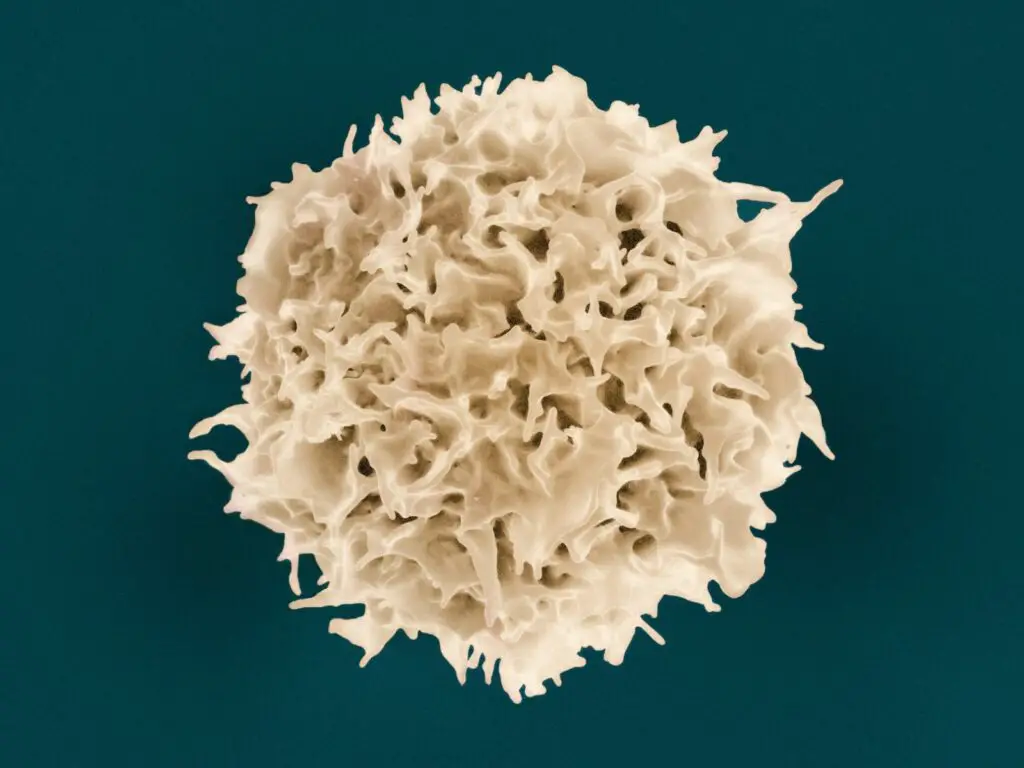
Stabilizing Your Mast Cells
Why might vitamin C help with histamine intolerance? Think of mast cells as little storage lockers for histamine scattered throughout your body. When they get rattled, by stress, certain foods, or allergens, they can “burst open” and dump their histamine load, which is what fuels uncomfortable histamine intolerance symptoms.
And that’s not all. Vitamin C also seems to support your body’s ability to break histamine down once it’s already in circulation. So, you’re not just preventing the flood. You’re also helping clear it out more efficiently too.
Enhancing Histamine Breakdown
In your gut, an enzyme called diamine oxidase (DAO) does the heavy lifting for breaking down histamine. If DAO isn’t working well enough, histamine builds up and that’s when intolerance symptoms show up.
Now, vitamin C doesn’t act as a direct cofactor for DAO the way copper or vitamin B2 do. But it plays a supportive role. By helping stabilize DAO and even assisting in copper regeneration, vitamin C may give this enzyme the boost it needs to keep histamine levels in check.
Beyond, enhancing histamine breakdown, vitamin C also slows down its production. Studies suggest it can put the brakes on an enzyme called histidine decarboxylase, which normally converts the amino acid histidine into histamine.
By interrupting that step, your body ends up making less histamine right from the start.

Reducing Inflammation Throughout Your Body
And then there’s the way vitamin C affects inflammation pathways in your body. Chronic inflammation and histamine intolerance often fuel each other. It’s a loop where inflammation triggers more histamine, and that extra histamine keeps the inflammation going.
The encouraging part? Vitamin C helps break that cycle. With its strong anti‑inflammatory effects, it can cool the fire and interrupt the chain reaction that drives histamine intolerance symptoms.
One way it does this is by dialing down NF‑κB, a kind of master switch that controls many of the body’s inflammatory signals. And this isn’t just theory.
Studies show that taking about 1 gram of vitamin C daily for eight weeks can lead to real, measurable drops in markers like hs‑CRP and IL‑6, both closely tied to inflammation.
Providing Antioxidant Protection
Oxidative stress and histamine intolerance often go hand in hand. When free radicals overwhelm your body’s defenses, they can jolt mast cells into action and ramp up histamine release.
That’s why having strong antioxidant support matters—it helps keep the oxidative load under control and lowers the risk of flare‑ups.
Vitamin C is one of your body’s most powerful antioxidants. It neutralizes harmful oxygen, nitrogen, and sulfur radicals before they cause damage, and it even recharges other key antioxidants like glutathione and vitamin E.
The result? A stronger, more resilient defense system.
And here’s a fascinating detail: your immune cells, called leukocytes, don’t just use vitamin C; they stockpile it. Levels inside these cells can reach 50 to 100 times higher than in your blood. This built‑in reserve shields them from oxidative stress and helps them function smoothly without dumping out excess histamine.
The Deficiency-Histamine Connection
One of the trickier parts of histamine intolerance is that low vitamin C can actually make things worse. A deficiency raises histamine levels, creating a cycle that feeds on itself. So, if you’re already struggling with intolerance, chances are your vitamin C reserves may be running low.
Research backs this up. In children with asthma—a condition where histamine plays a big role—nearly 40% were found to be deficient in vitamin C. Those kids had more severe symptoms and weaker lung function.
It’s a good reminder that similar patterns likely show up in histamine intolerance too, where ongoing inflammation and oxidative stress can quickly drain your vitamin C stores.
Recent Clinical Evidence
In 2025, researchers ran a randomized-controlled trial to see how vitamin C might affect histamine responses during skin testing. Participants took 1000 mg of vitamin C daily for a week.
The results showed only a small, non‑significant dip in histamine reactions, but the takeaway was clear: vitamin C could be helpful for histamine intolerance, though bigger studies are needed to confirm.
The observational data is more exciting. In a group of 71 patients with allergy‑related conditions and confirmed vitamin C deficiency, intravenous vitamin C therapy (7.5 grams) made a big difference. Nearly 97% reported symptom relief, with notable improvements in itching, nasal congestion, and restlessness.
Practical Considerations
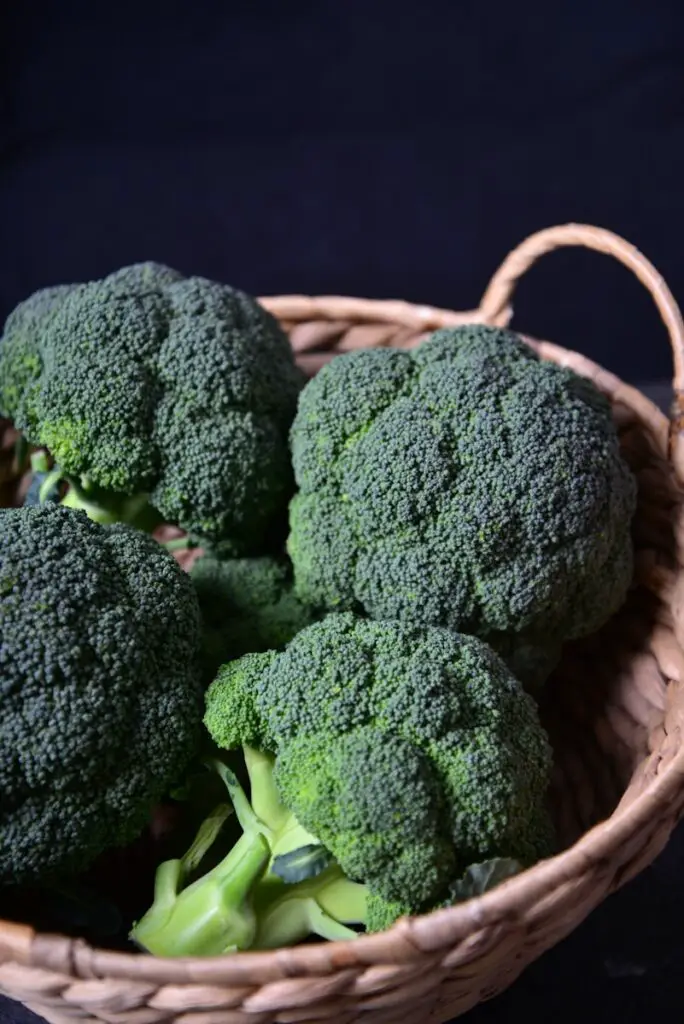
You’ll find vitamin C in plenty of foods—citrus fruits, strawberries, kiwis, bell peppers, broccoli, and leafy greens. But when it comes to histamine intolerance, the amounts that seem helpful are usually in the range of 500 mg to 2 grams a day. That’s tough to hit through diet alone.
Your body absorbs vitamin C well up to about 200 mg at a time, but efficiency drops at higher doses. That’s why splitting it into smaller amounts throughout the day makes the most sense.
And since vitamin C is water‑soluble, anything extra gets flushed out in urine, which makes it relatively safe even at higher intakes.
Altogether, vitamin C may support histamine intolerance through several complementary pathways. While more research is still needed, current evidence suggests it’s worth considering as part of a broader management plan.
But always supplement with guidance from your healthcare provider, so they can help you find the dose that works best for you. Working with a healthcare provider is even more important if you have other health conditions.
References:
Trincianti C, Naso M, Tosca MA, Ciprandi G. Vitamin C in Allergy Mechanisms and for Managing Allergic Diseases: A Narrative Review. Children (Basel). 2025 May 30;12(6):718. doi: 10.3390/children12060718. PMID: 40564676; PMCID: PMC12191256. https://pubmed.ncbi.nlm.nih.gov/40564676/
Clemetson CAB. Histamine and Ascorbic Acid in Human Blood. The Journal of Nutrition. 1980;110(4):662-668. doi:https://doi.org/10.1093/jn/110.4.662.Histamine and Ascorbic Acid in Human Blood – ScienceDirect
Abdul W, Husna Hasri, Tan SY, et al. The Effect of Vitamin C on Histamine and Dust Mite Epicutaneous Test Responses: A Randomized Control Trial. European Journal of Rhinology and Allergy. 2025;8(1):6-11. Accessed December 6, 2025. https://dergipark.org.tr/en/pub/ejra/issue/95380/1746436.
Kristie Leong M.D. M.S.

Hi! I'm Dr. Kristie Leong M.D. M.S. I graduated from Virginia Commonwealth University and have a deep interest and passion for histamine intolerance. My journey includes a comprehensive Kindle ebook on Histamine Intolerance and its dietary management.With a Masters in Clinical Pathology, my knowledge of immunology adds a robust scientific foundation to my expertise. I wholeheartedly believe in the power of lifestyle and prevention in healthcare. Let's work together to manage histamine intolerance through practical dietary and lifestyle choices. :-)