
If you’re struggling with histamine intolerance, you know how complex meal planning can be. Right?
Unless you choose low-histamine foods, you can experience unpleasant symptoms like hives, headaches, and digestive issues.
Selecting low-histamine foods is akin to steering your culinary voyage away from stormy seas.
As a histamine intolerance sufferer, you must carefully evaluate the histamine levels of ingredients when cooking.
While many plant-based foods are safe to eat on a low-histamine diet, there are exceptions.
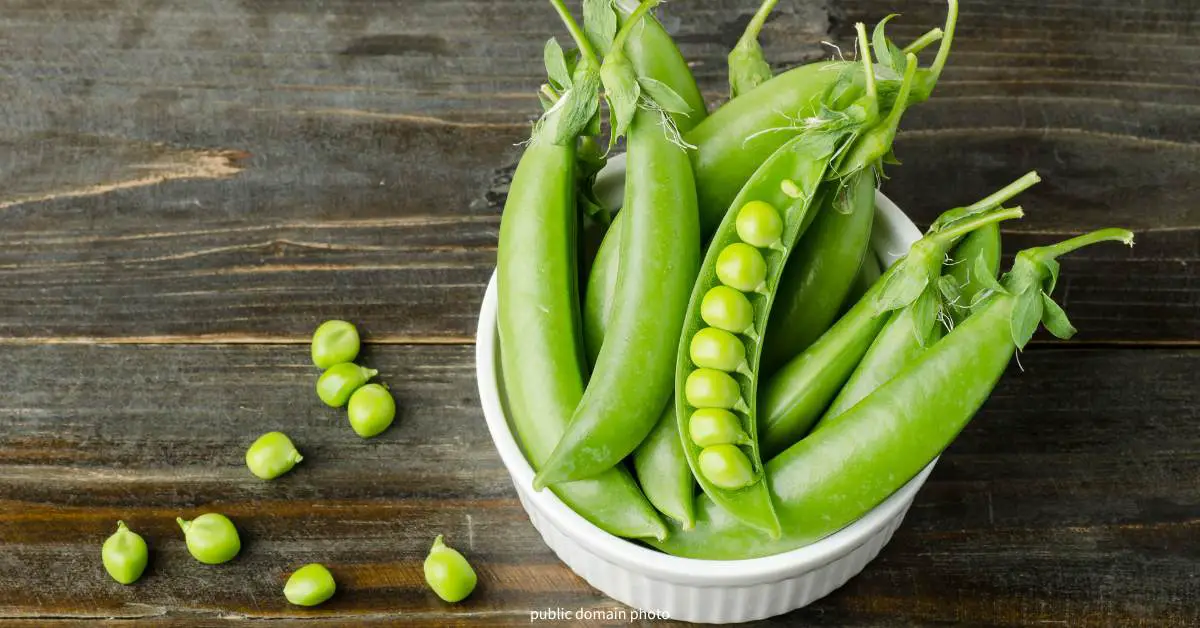
So, you might wonder whether peas are allies or adversaries when it comes to histamine intolerance? In other words, are peas high in histamine?
Are There Histamines in Peas?
Although there are few studies that have directly measured the histamine content of peas, we can get some guidance from the SIGHI list.
SIGHI stands for the Swiss Interest Group for Histamine Intolerance, an organization dedicated to providing information and support for people dealing with histamine intolerance. (3) They put together a helpful list of foods categorized by their histamine levels.
As an organization devoted to histamine intolerance, they know how challenging it is to figure out what foods work with individual sensitivities.
Despite some limitations, their list makes it so much easier to make the right dietary choices when you have histamine metabolism issues.
They divide foods into sections from low to very high histamine. That way you can choose options that are safer bets if histamine is a problem for you. The list is a reference to help identify triggers and make meals more histamine friendly.
SIGHI Insights on the Histamines in Peas
Based on the SIGHI guidelines, most peas seem to be okay in moderation for people with histamine issues. Green peas, green split peas, snow peas and yellow split peas are rated as a 1, meaning they’re considered moderately histamine friendly.
Other types of peas like dry peas, cow peas and pigeon peas are ranked as a 2, so they may be more problematic, depending on your level of tolerance. Still, they aren’t flagged as high histamine.
I noticed the Histamine Intolerance Site specifically calls out yellow peas as “medium” in histamine, so that’s something to keep in mind.
The takeaway seems to be most peas are decent bets, but yellow peas might be a food to eat sparingly if histamine sensitivity is a concern for you. It’s smart to pay attention to your individual reactions too.
We all tolerate foods differently. Plus, some people have other food sensitivities, beyond histamine intolerance, that make certain foods off limits.
Are There Other Biogenic Amines in Peas?
Histamine is one type of biogenic amine, but there are others that you should be aware of. If you have histamine intolerance, you may also be sensitive to biogenic amines other than histamine.
Studies show that non-fermented plant-based foods may contain histamine or other biogenic amines. Some of the best examples are eggplant, avocado, tomato, spinach, and citrus fruits. (2)
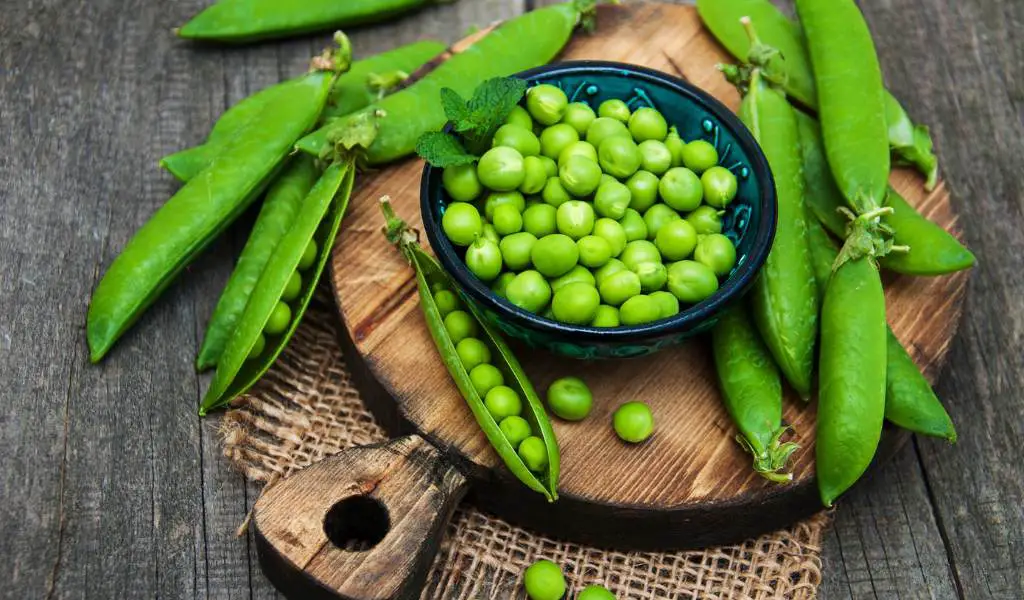
But what about peas? Based on the current evidence, biogenic amines in peas are a potential concern if you don’t break them down quickly enough. (4) For example, peas contain moderate amounts of putrescine, with higher quantities in frozen peas.
In peas, biogenic amines such as tryptamine, tyramine, and histamine have been associated with off flavors that can affect taste and consumer appeal. This can pose a challenge for manufacturers aiming to market pea-based products. (4)
So, in summary, while biogenic amines play important biological roles, high levels may lead to undesirable impacts like off-flavors and food poisoning, especially if you can’t break down biogenic amines quickly.
Are Peas High in Histamine: Individual Responses May Vary
As you know, we all react differently to foods, even ones considered “low” histamine. Green peas might be fine for some folks with histamine issues but cause problems for others.
So don’t take any food list as gospel, since our bodies are so unique. What gives you a reaction might not bother me or someone else at all. The SIGHI and other sites try to categorize based on common responses. But be aware that there can be a ton of individual variance.
Therefore, lists, like the SIGHI list, only give you guidelines to experiment with. The key is to pay attention to how you feel and honor your own intolerances.
At the end of the day, we each must figure out what works for our bodies through trial and error. No list can replace listening to your individual reactions. This kind of self-awareness is invaluable.
Always experiment with small quantities of peas and see how you respond.
Of course, you should also keep a food diary, so you know whether peas trigger histamine intolerance symptoms.
Histamine Intolerance and Peas
So, let’s wrap it up. Whether peas are safe or risky is nuanced and depends on how well your body processes other biogenic amines, beyond histamine.
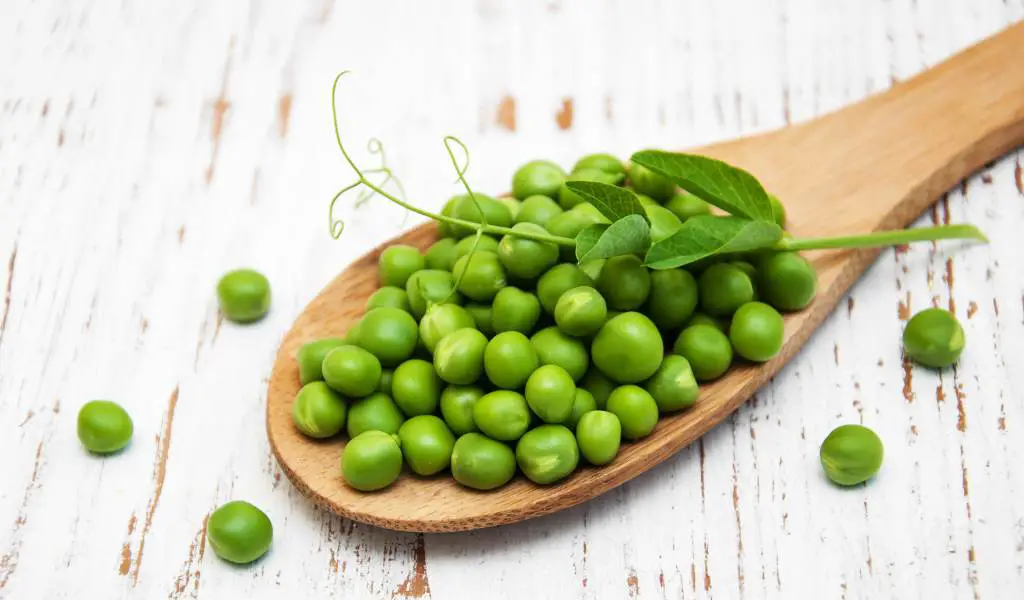
Peas contain some histamine, but not sky-high amounts and they also contain other biogenic amines. For the majority of people with histamine intolerance, peas in moderation are tolerable. However, individual sensitivities to the biogenic amines in peas varies.
When it comes to peas specifically, there are no hard and fast rules. Get curious, take notes, and find what works for you. With knowledge and self-awareness as your guides, you can build confidence in customizing your own antihistamine diet.
References:
- Wójcik W, Łukasiewicz M, Puppel K. Biogenic amines: formation, action and toxicity – a review. J Sci Food Agric. 2021 May;101(7):2634-2640. doi: 10.1002/jsfa.10928. Epub 2020 Dec 12. PMID: 33159318. https://pubmed.ncbi.nlm.nih.gov/33159318/
- Sònia Sánchez-Pérez, Oriol Comas-Basté, Judit Rabell-González, M. Teresa Veciana‐Nogués, M. Luz Latorre‐Moratalla, and M. Carmen Vidal‐Carou. “Biogenic Amines in Plant-Origin Foods: Are They Frequently Underestimated in Low-Histamine Diets?” Foods 7, no. 12 (December 14, 2018): 205–5. https://doi.org/10.3390/foods7120205.
- Mastcellaction.org. “Swiss Interest Group Histamine Intolerance (SIGHI) | Mast Cell Action,” 2022. https://www.mastcellaction.org/articles/swiss-interest-group-histamine-intolerance-sighi.
- Ongkowijoyo P, Tello E, Peterson DG. Identification of a Bitter Peptide Contributing to the Off-Flavor Attributes of Pea Protein Isolates. J Agric Food Chem. 2023 May 17;71(19):7477-7484. doi: 10.1021/acs.jafc.3c00435. Epub 2023 May 4. PMID: 37141411.https://pubmed.ncbi.nlm.nih.gov/37141411/
- Ongkowijoyo P, Tello E, Peterson DG.Effects of Dietary Amines on the Gut and Its Vasculature. Broadley KJ, Akhtar Anwar M, Herbert AA, et al. The British Journal of Nutrition. 2009;101(11):1645-52. doi:10.1017/S0007114508123431. https://pubmed.ncbi.nlm.nih.gov/10702995/
Kristie Leong M.D. M.S.

Hi! I'm Dr. Kristie Leong M.D. M.S. I graduated from Virginia Commonwealth University and have a deep interest and passion for histamine intolerance. My journey includes a comprehensive Kindle ebook on Histamine Intolerance and its dietary management.With a Masters in Clinical Pathology, my knowledge of immunology adds a robust scientific foundation to my expertise. I wholeheartedly believe in the power of lifestyle and prevention in healthcare. Let's work together to manage histamine intolerance through practical dietary and lifestyle choices. :-)